


Our last article talked about what a duplex insurance policy is. Now, let’s discuss a specific part of duplex insurance – dwelling coverage.
Owning a duplex can be a solid investment, but having the proper protection in place is essential, especially as we head into 2025.
For duplex owners, having comprehensive dwelling coverage for a duplex should be de rigueur.
Unfortunately, 64% of residential properties in the US are underinsured, including duplex owners.
If you live in one unit or rent out both, having proper duplex property coverage ensures you’re financially safeguarded against unexpected events.
In this guide, we’ll dive into the ins and outs of duplex dwelling coverage, ensuring you’re equipped with the knowledge to make informed decisions.
By the way, in our next article, we’ll talk about duplex liability insurance. If there’s something you need help understanding about duplex liability, our article might help you.
Short Summary
- Duplex dwelling coverage protects both units, whether owner-occupied or fully rented.
- It differs from standard homeowners insurance due to the unique risks of multi-unit properties.
- Coverage limits depend on the cost to rebuild the duplex, considering materials, size, and location.
- Types of dwelling coverage include replacement cost, actual cash value, extended replacement cost, and guaranteed replacement cost.
- Dwelling coverage protects against fire, weather damage, vandalism, and internal water damage.
- Policies for fully rented duplexes often require landlord insurance to cover tenant-related risks and lost rental income.
- Common exclusions include flood, earthquake damage, normal wear and tear, pest infestations, and intentional damage.
- Evaluating property value, reconstruction costs, and bundling policies can help tailor the right coverage.
What Is Dwelling Coverage For Duplexes?
Duplex dwelling coverage ensures that both units are protected, whether you live in one, rent out both, or a mix of the two.
Duplex insurance is different from standard homeowners insurance.
Here’s why:
- How it Differs from Homeowners Insurance: While homeowners insurance typically covers single-family homes, duplex insurance covers a multi-unit property, often requiring more comprehensive policies to handle risks unique to rental properties.
- Specific Considerations for Duplexes: You’ll need to account for the dual nature of the building. If one side is owner-occupied and the other rented out, your policy might need to include both dwelling and rental property coverage.
- Coverage Limits: These limits are determined by the cost of rebuilding your duplex from the ground up. The materials used, size, and location all play a role in deciding your coverage amount.
Ensuring you have the right coverage in place for your duplex will help you avoid potential financial strain. It also guarantees protection for both units, no matter what happens.
Types Of Dwelling Coverage For Duplexes
There are different types of dwelling coverage to choose from. Each type of dwelling coverage offers a different way of valuing the repairs or rebuilding process.
Replacement Cost Coverage
Replacement cost for duplexes means your insurance will pay to repair or rebuild the property at today’s market value without factoring in depreciation.
This coverage is one of the more popular options since it ensures your duplex is restored to its original condition using current construction materials and methods.
If your duplex is damaged by a fire or a storm, this type of coverage ensures you won’t have to dip into savings to cover rising construction costs.
Actual Cash Value Coverage
Unlike replacement cost, this coverage factors in depreciation. This means the payout will reflect your duplex’s current value, considering the building materials’ age and condition.
While this option typically has lower premiums, it may leave you short when it comes time to rebuild. This happens especially if construction costs have risen or your duplex has aged significantly.
Think of it like this: replacement cost is like getting a new phone when yours breaks, while actual cash value is like getting a used one. With replacement costs, your insurance pays to rebuild your duplex with similar materials, no matter how old it is.
Extended Replacement Cost Coverage
If rebuilding prices rise due to inflation or material shortages, the extended replacement costs can help cover those additional expenses. This coverage ensures you’re not left out of pocket.
It’s a smart option in areas where building costs fluctuate or if your duplex is in an older, higher-cost neighborhood.
Extended replacement cost coverage is like having a little buffer zone. If rebuilding costs suddenly spike (as they usually do during a post-disaster construction boom), this coverage kicks in to help.
We recommend adding about 25% to 50% extended replacement cost.
Guaranteed Replacement Cost Coverage
Guaranteed replacement cost goes a step further. With this option, your duplex is rebuilt entirely, regardless of the price tag. This is one of the most comprehensive options and can offer great peace of mind for duplex owners who want full protection.
It’s pricier, sure, but it’s totally worth it. It’s especially useful if you own a high-value duplex in an area prone to natural disasters.
Ordinance Or Law Coverage

Sometimes, rebuilding your duplex may need to meet updated building codes or regulations. Building codes change, and this coverage helps pay for upgrades to meet new standards during rebuilding.
This is valid for a property owner with a 1950s duplex that needed to be rebuilt after a storm. Without this coverage, they would’ve been on the hook for thousands of code-related upgrades.
Remember, the right coverage depends on your specific situation. Ask questions and really dig into the details.
What Does Duplex Dwelling Coverage Protect Against?
Dwelling coverage for duplexes isn’t just about fire or wind damage, though. It also includes a wide range of risks.
Here are some common incidents your policy will protect you from:
Fire And Smoke Damage
Fires can happen unexpectedly, whether due to electrical faults or kitchen mishaps. Dwelling coverage ensures your duplex is repaired or rebuilt in case of fire. It also covers smoke damage, which can linger even after the flames are out.
Weather-Related Incidents
Storms, hail, and strong winds are some of the most common weather-related hazards. Dwelling coverage steps in to cover repair costs if your duplex is damaged during extreme weather conditions, whether a roof is torn off by wind or siding damaged by hail.
Vandalism And Theft
Suppose your property is vandalized or broken into. In this scenario, dwelling coverage helps cover the cost of repairs, including damage to windows, doors, or any part of the building affected by the incident.
Water Damage from Internal Sources
This option typically covers issues like burst pipes, leaking roofs, or overflowing appliances, which can lead to significant water damage. Dwelling coverage protects your duplex by covering the cost of repairs for water damage caused by internal sources.
However, be aware that internal sources refer only to plumbing issues. It excludes flood damage unless you have a separate flood insurance policy.
Additional Structures on the Property
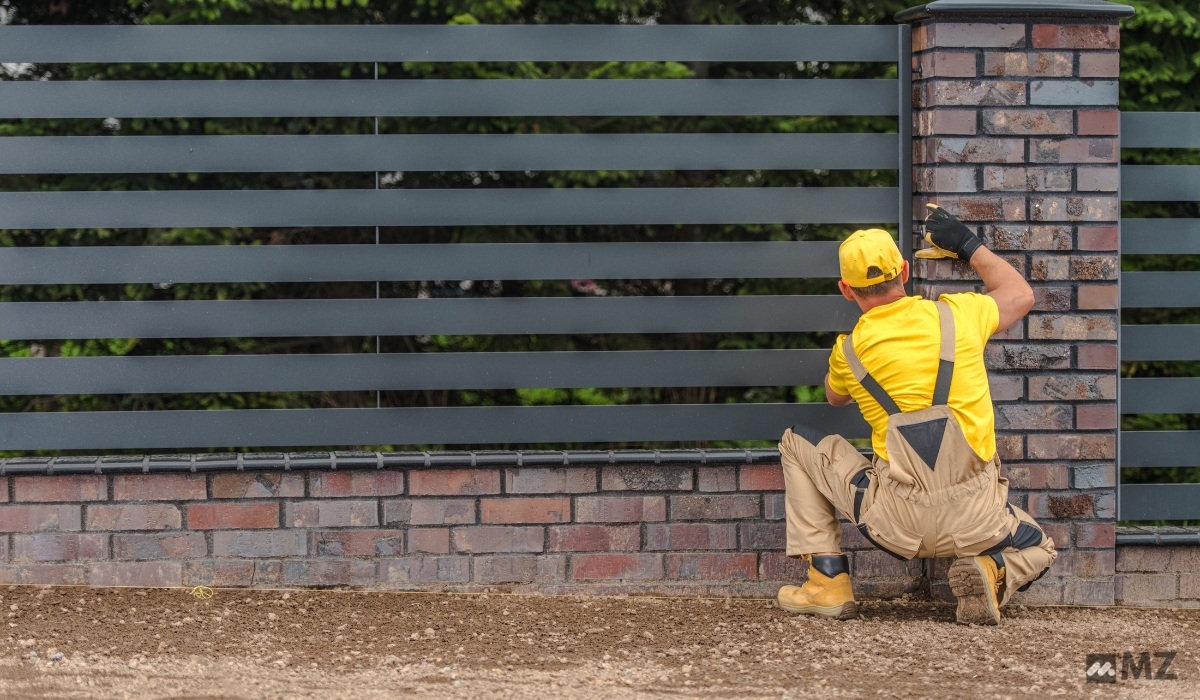
Your policy can also extend to cover other structures on your property, like detached garages, sheds, or fences. If these are damaged by any covered peril, dwelling coverage will take care of repairs or rebuilding costs.